
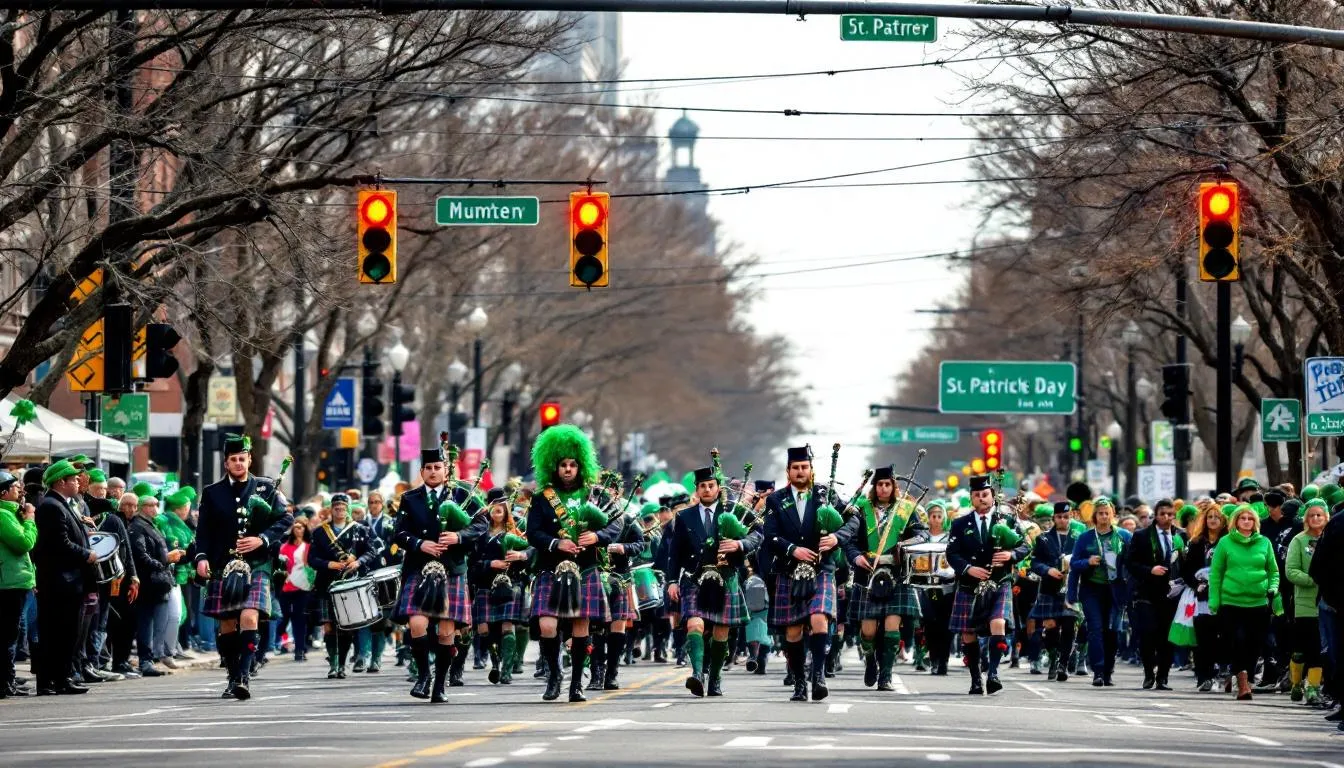
Green Madness: Dallas Braces for St. Patrick's Day Invasion on Greenville Avenue This Saturday
It's happening again. This Saturday, thousands of green-soaked revelers will flood Greenville Avenue in Dallas for the return of one of Texas's most raucous St. Patrick's Day celebrations—a 40-year tradition that's part parade, part festival, and entirely chaotic in the best way possible.
The parade kicks off at 11 a.m. sharp and runs until 2 p.m., but that's just the opening act. The real circus starts at 9 a.m. when the street festival launches, and the mayhem doesn't stop until well into the evening when the block party finally winds down. City officials are already bracing for the onslaught: expect full street closures throughout Lower Greenville, traffic nightmares, and a sea of humanity packed elbow-to-elbow along the Avenue.
The Annual Test of Dallas Hospitality
For the merchants and bar owners lining Greenville Avenue, Saturday isn't just another day. It's payday. The holiday crowds represent a guaranteed surge in foot traffic and cash registers that help these businesses survive the slower months ahead. Yet here's the catch: they can't coast on this one day. Local owners say they're working year-round to keep customers coming back, building loyalty that goes way beyond a single drunken Saturday.
The stakes are real. One massive event can't carry a business through twelve months. These entrepreneurs understand that St. Patrick's Day weekend is a marketing opportunity—a chance to introduce new faces to their bars, restaurants, and shops. But the real work? That happens on the Tuesday mornings when nobody's watching, when they're perfecting their cocktails, training staff, and making sure the experience is good enough that people remember them when March 17th rolls around again next year.
A Four-Decade Legacy Built on Irish Heritage and Texas Grit
This isn't some fabricated corporate holiday extravaganza. The Dallas St. Patrick's Day Parade has deep roots. For more than four decades, it's become embedded in the city's cultural fabric—a tradition where Irish-Americans celebrate their heritage alongside thousands of Dallasites who just want an excuse to wear green and party. Unlike some manufactured festivals that pop up and fade, this one has staying power.
The parade itself follows a traditional format: floats, marching bands, community groups, and local politicians all jockeying for position to throw beads, candy, and promotional materials into the crowd. It's organized chaos, but it works. The festival atmosphere that surrounds it—with food vendors, live music, and craft booths—transforms Lower Greenville into a temporary theme park for eight hours.
The block party that extends into the evening is where the real action happens. This is where the daytime families and office workers clear out and the 21-and-over crowd takes over. Bars stay packed. DJs spin tracks. People dance in the streets. It's the kind of event that makes the news for all the right reasons—and occasionally for the wrong ones when the celebration gets a little too spirited.
The Logistics Nightmare Behind the Party
What most revelers don't think about while they're grabbing a green beer is the massive coordination required to pull this off. Street closures don't happen by accident. The city has to reroute traffic, deploy extra police, coordinate with emergency services, and brief business owners on what to expect. Parking becomes scarce. Public transportation gets overwhelmed. Trash removal crews prepare for a tsunami of debris.
The Dallas Police Department increases patrols. Medical teams position themselves strategically. Local hospitals know they'll see an uptick in inebriation-related incidents. It's a well-oiled machine, but it's still a machine that creaks under the weight of 50,000-plus people cramming into a neighborhood for a single day.
Why This Matters to Your Wallet (And Your Weekend Plans)
If you live or work in the Lower Greenville area, Saturday is going to be a nightmare. Traffic will be gridlocked. Parking will be impossible. Noise levels will spike. For residents, it's a mixed blessing: property values benefit from the foot traffic and economic activity, but quality of life takes a hit on parade day.
For business owners, the math is simple: a successful St. Patrick's Day weekend can mean $10,000 to $50,000 in incremental revenue for bars and restaurants. That's not trivial. For some smaller establishments, it might represent 5% of their monthly earnings in a single day. But here's what keeps them up at night: liability. Overserving alcohol is a legal nightmare. Fights break out. People get injured. One bad incident can lead to lawsuits, fines, or even license suspensions.
That's why these business owners emphasize that year-round reputation matters more than Saturday's sales. They're training staff to spot trouble before it starts. They're implementing strict ID policies. They're monitoring alcohol consumption. The smart ones view St. Patrick's Day as a stress test—a chance to showcase their operation and hopefully convert first-time visitors into regulars who'll come back when the crowds aren't overwhelming.
The Visibility Game: St. Patrick's Day as Marketing Gold
Here's something business owners won't say out loud but definitely think: St. Patrick's Day is free advertising. A person who's never set foot on Greenville Avenue will randomly walk into a bar Saturday afternoon, have a great time, meet some friends, and suddenly develop a new favorite spot. That person might come back a dozen times over the next year. That's the power of an event like this.
It's why bars compete to have the best specials, the most entertaining staff, and the most memorable experiences. A clever promotion or a bartender who remembers your name can turn a one-time visitor into a loyal customer. In the competitive Dallas nightlife scene, St. Patrick's Day is an opportunity to poach customers from competitors.
Social media amplifies this. People post photos and videos from the parade, the festival, and the bars. That organic content reaches thousands of potential customers outside Dallas. It's the kind of buzz that money can't easily buy through traditional advertising.
The Safety Equation: How Much Chaos Is Too Much?
Every year, city officials face the same question: Should we expand the St. Patrick's Day event or keep it manageable? Expand it, and you risk overwhelming emergency services. Keep it contained, and some see it as missing out on economic growth and tourism dollars.
Dallas has struck a middle ground. The event is big—big enough to draw significant crowds and generate real economic impact—but not so massive that the city loses control. Compare it to New Orleans's Mardi Gras or other major St. Patrick's Day celebrations, and Dallas's version feels more contained, more manageable, but still absolutely raging.
Police presence will be heavy. The DWI checkpoint will be set up. Ambulances will be on standby. But this isn't martial law; it's a calculated risk. City planners know that a certain amount of rowdiness is part of the appeal. Try to shut that down completely, and you kill the event's magic.
What Happens When the Party Ends?
Sunday morning on Greenville Avenue will tell the real story. Street cleanup crews will descend. Broken glass will be swept. Trash will be hauled away. Business owners will count their cash and assess their inventory. Some will feel elated. Others will feel exhausted. A few might feel ripped off if their day didn't go as well as expected.
By Monday morning, it'll be back to normal—or at least, normal-ish. The street will be clean. The crowds will be gone. But the memories will linger, and more importantly, the economic impact will be measured. Cities track this data obsessively. They want to know: Did the event generate more tax revenue than it cost to manage? Did it help the neighborhood's long-term economic health?
For Greenville Avenue's business community, the answer has consistently been yes. The St. Patrick's Day tradition isn't just a party; it's an economic engine that keeps the neighborhood vibrant and competitive in Dallas's crowded entertainment landscape.
The Bigger Picture: Why Neighborhoods Need These Events
Lower Greenville has gone through phases. There was a time in the 1980s

0 Comments