
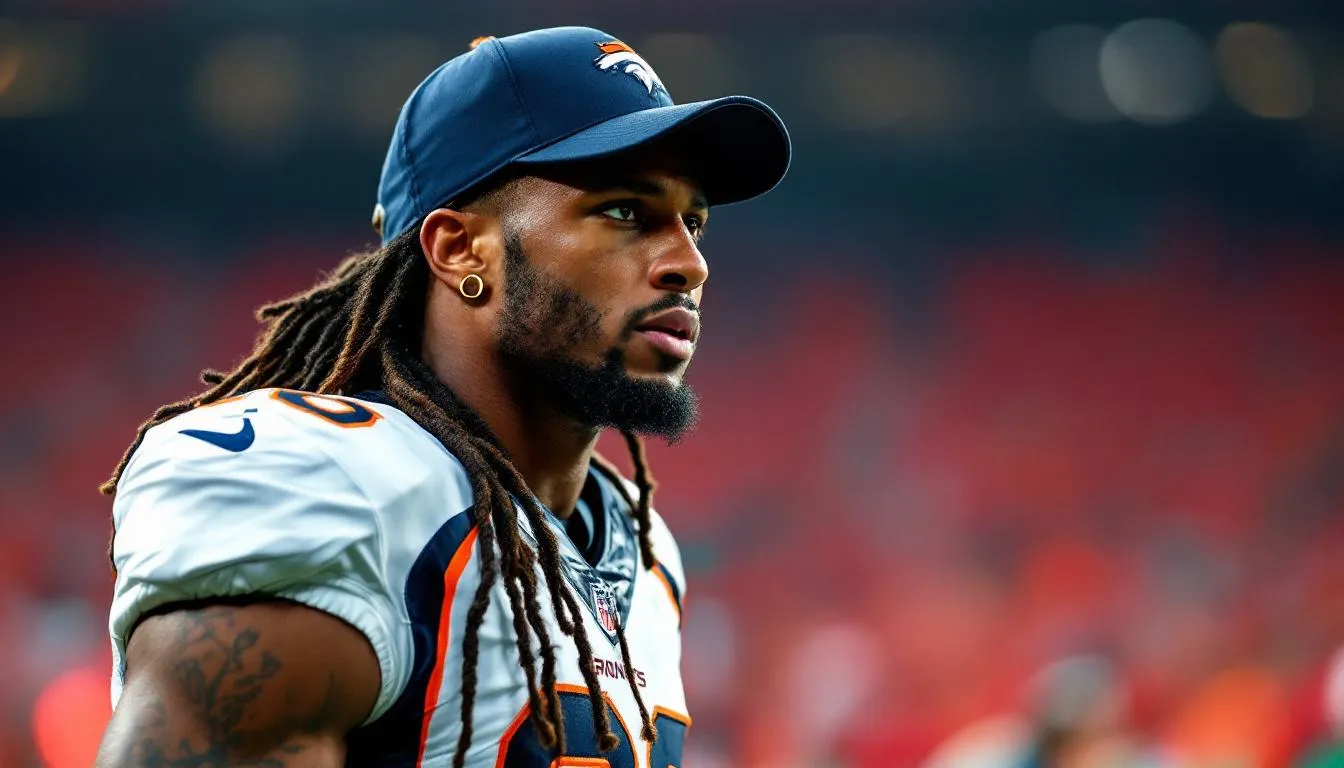
Broncos Lose Starting Safety to Dallas in Free Agency Shocker—P.J. Locke Chases Starting Role With Cowboys
P.J. Locke is out. The Denver Broncos' starting safety just walked, signing a one-year, $5 million deal with the Dallas Cowboys. He wanted to start. Denver wanted to keep him. He chose the star.
It's a clean, brutal calculus that defines NFL free agency in March 2026—players chasing opportunity, teams scrambling to patch the holes. For Denver, it stings. For Locke, it's a last shot at proving he's a legitimate NFL starter, not just a journeyman who finally caught his break at 29 years old.
The Escape: Why Locke Bolted
Let's be straight about this. Locke didn't leave Denver because the Broncos lowballed him. He left because he was tired of being the backup. The five-year journey from undrafted free agent to occasional starter had worn him down.
Broncos head coach Sean Payton and general manager George Paton wanted to keep him around. They offered him a role—a valuable one—but not *the* role. Not full-time. Not guaranteed reps every Sunday. In Dallas, Locke gets exactly that: a chance to anchor the Cowboys' secondary opposite Brandon Jones, who Denver just benched in favor of the newly acquired Talanoa Hufanga.
The money's the same. Five million for one year. But opportunity? That's priceless when you're 29 and running out of runway.
The Road to Here: From Undrafted to NFL Starter
Locke's story is the kind that makes scouts shake their heads and analysts reconsider their mock drafts. He came out of Texas in 2019 as an undrafted free agent—basically a lottery ticket the Pittsburgh Steelers didn't cash. He never made their 53-man roster. Practice squad. Cut. Forgotten.
Then Denver noticed him in December 2019, signed him to the practice squad, and kept him around. For three seasons—2020, 2021, 2022—he was a special teams grunt. Blocking. Returning kickoffs. Taking punishment on the coverage unit. The kind of player nobody watches unless they're breaking down film.
But in 2023, something shifted. Injuries opened a door. Locke stepped in and started eight games. He wasn't spectacular, but he was *there*. Reliable. Smart. In 2024, he started 15 games straight—a full season of work. A prove-it year. He racked up 46 tackles, five sacks, and helped Denver's pass defense stay respectable.
Last year, 2025, things got crowded. The Broncos brought in Hufanga, a proven starter from San Francisco with playoff experience. Locke dropped to third string. He played in only three games, spelling Jones when injuries struck. Third string is a death knell for a free agent entering his eighth NFL season.
The stat sheet tells the whole story: In six seasons with Denver, Locke compiled 174 tackles, 11 pass breakups, five forced fumbles, four sacks, and one interception across 90 games. Respectable. Not flashy. Not All-Pro. But NFL-caliber work from a guy who shouldn't have made it this far.
Enter Christian Parker: The Connection That Sealed It
Here's the kicker that matters most. Dallas's new defensive coordinator is Christian Parker—and Parker spent three seasons (2021-2023) as Denver's defensive backs coach. He saw Locke up close. He knows what the guy can do. More importantly, he knows what he needs to know.
This isn't a blind faith signing. It's a coach backing his former player with the authority to give him snaps. That changes everything for Locke's marketability and his confidence.
In free agency, continuity counts. A familiar voice in a new locker room means faster integration, better communication, and a higher ceiling for performance. Parker didn't just bring Locke to Dallas because he had a blank line on his depth chart. He brought him because he has a plan.
What This Means for Denver's Defense
The Broncos aren't losing a superstar. They're losing a capable backup who became expendable. The secondary now runs Hufanga and Jones full-time, with second-string options filling in during rotation and injury situations.
Hufanga, acquired last season, is the prize. Jones provides depth and veteran presence. Losing Locke is like losing the third key on a keyboard—important if someone gets hurt, less crucial when the starting lineup is healthy.
But this move does reveal something about Denver's current strategy: they're consolidating around proven talent. Hufanga and Jones were brought in for big money and bigger expectations. The Broncos are betting on those two carrying the safety room rather than developing a stable of mid-level guys like Locke.
It's a win-now mentality under Payton. Youth development gets pushed to the draft or the practice squad. Veteran contributors who can't anchor a position? They walk, and the team moves on.
The Cowboys' Angle: Building Secondary Depth Before Free Agency Ends
Dallas is making smart moves in March 2026. The Locke signing isn't flashy, but it addresses a real need—secondary depth and starting options if their current rotation falters.
The NFL schedule is brutal. Injuries compound. A team that walks into Week 1 with only two starting-caliber safeties is gambling. Locke gives them a third option who's started 15 games in the last three seasons. He's not a liability if pressed into service.
And Parker—a coordinator trusted to build the defense—wouldn't push for this signing unless he believed Locke could execute his scheme. In the NFL, coordinator buy-in matters. It determines snap counts, role definition, and career trajectory for mid-tier players.
The Bigger Picture: Free Agency's Cruel Mathematics
This story repeats across the league every March. A player outgrows his situation. A team has moved on. The player takes the same money—or less—for opportunity. It's not about greed. It's about legacy.
Locke's final NFL chapter isn't written yet. At 29, with eight seasons already logged, his remaining window is tight. One strong season in Dallas could lead to a bigger contract elsewhere. One injury or poor performance, and he fades into the journeyman bracket permanently.
He's betting on Parker's confidence and Dallas's secondary scheme being the right fit. It's a calculated risk. It's also his best—and possibly last—chance to prove he was more than a practice squad success story.
The Bottom Line
P.J. Locke's departure from Denver is a reminder that NFL careers are ruthlessly short and brutally competitive. For a guy who shouldn't have made it past his rookie season, he's done remarkably well. But "remarkably well" doesn't cut it when better talent arrives.
The Broncos move forward with Hufanga and Jones. Locke moves forward with Parker and the Cowboys. Both sides got what they wanted. Denver keeps their chosen starters. Locke gets the starting reps he craves.
It's a clean break in a sport where clean breaks rarely exist. That's what makes it newsworthy—not because it's shocking, but because it's so perfectly normal.
Frequently Asked Questions
Q: Why didn't the Broncos match the Cowboys' offer?
A: They could have, but the money was identical. Denver chose to invest in Hufanga and Jones instead. Locke accepted Dallas's offer because it came with starting opportunities, not just salary guarantees.
Q: Is P.J. Locke a good safety?
A: He's competent. His 174 tackles in Denver proves he can play at this level. But he's never been a Pro Bowl candidate or a lockdown starter. He's a solid third safety and emergency starter—valuable, not elite.
Q: What does Christian Parker's hire mean for the Cowboys

0 Comments